

In recent years, a long-overdue spotlight has illuminated Black artists whose work not only enriches our cultural narrative but is now commanding serious attention from investors and institutions alike. What was once an overlooked segment of the art world has emerged as one of the fastest-growing categories in today’s global art market. Driven by a mix of cultural awakening, increased representation, and shifting collector priorities, Black art is experiencing a renaissance—both creatively and financially. Jake Fine Art Magazine explores this dynamic transformation, profiling the artists at the forefront and the investors fueling a new era of cultural investment.
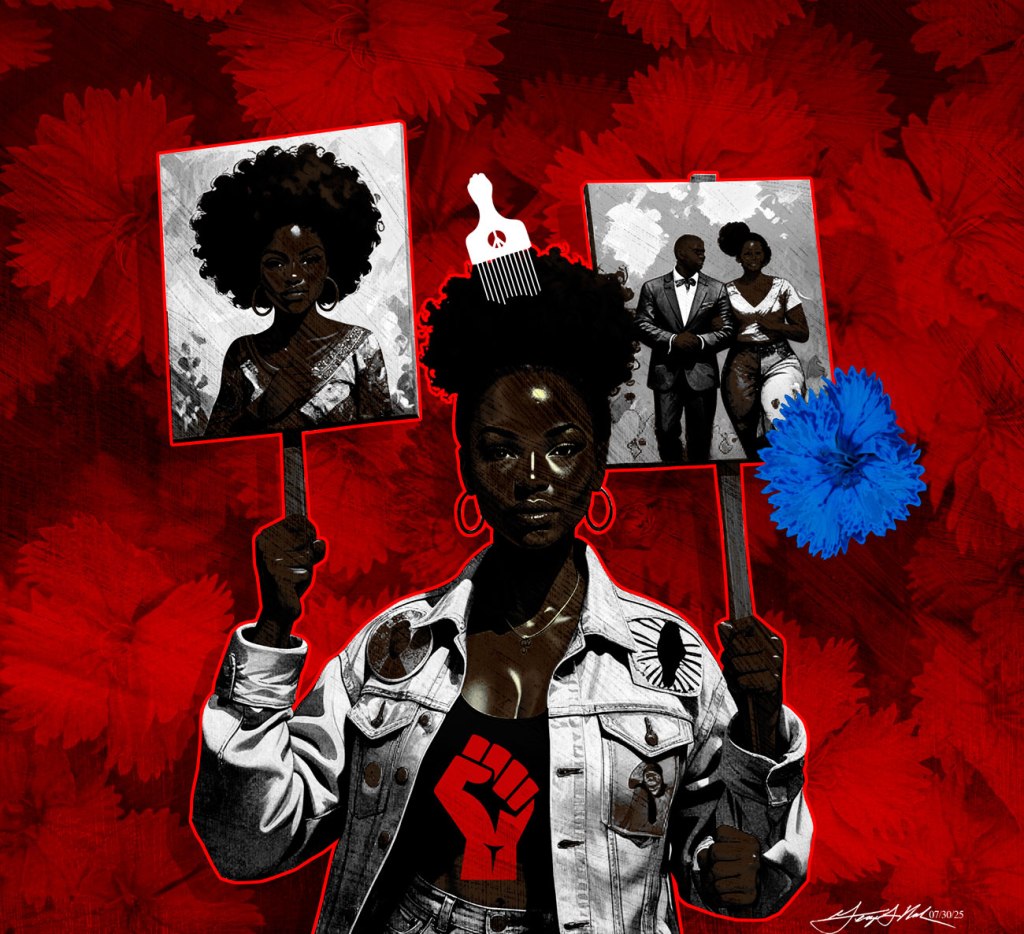
About the Artwork: In this bold, defiant illustration, The Rise captures the power and pride of Black identity through symbolism and stance. At the center stands a woman as a modern-day muse of resistance and beauty, holding two placards—one a portrait of dignity, the other a vision of unity and love. A raised fist on her shirt echoes historical movements, while her natural hair, adorned with a pick, crowns her presence. Set against a red floral backdrop, this image is a celebration of cultural resilience, strength, and the flourishing visibility of Black art in the modern era.
Cultural Power Meets Market Value
The surge in Black art sales isn’t merely a trend – it’s a reflection of long-suppressed creative voices being finally valued on the global stage. According to a 2023 report from Art Basel and UBS, artworks by African and African diasporic artists saw a 35% increase in auction sales over the previous two years. Major institutions have been racing to correct historical gaps in their collections, while collectors – both seasoned and new – are investing with purpose.
Several factors have converged to fuel this growth: the social justice uprisings of 2020 forced the art world to confront its exclusionary practices; wealth within Black communities has grown and created more access to collecting; and digital platforms have democratized how artists connect with buyers.
Record-breaking moments continue to make headlines. In 2018, Kerry James Marshall’s Past Times sold for \$21.1 million at Sotheby’s—the highest price ever for a work by a living African-American artist. Since then, artists like Amy Sherald, Kehinde Wiley, and Amoako Boafo have consistently commanded six- and seven-figure sums. Galleries once hesitant to represent Black artists are now building entire programs around them.
But the real story goes beyond dollars. This moment marks a shift in cultural capital—one where stories, aesthetics, and experiences rooted in Black life are no longer on the margins, but central to the global conversation.
Black Art as a Vanguard Movement
More than a trend or a niche category, Black art has become a powerful vanguard within the contemporary art world—setting the tone, the pace, and often the heart of cultural conversation. From major biennials to solo museum shows to grassroots exhibitions, Black art is not just participating in the art world—it’s helping to redefine it.
Across media—from sculpture to textile, digital to conceptual—Black artists are reshaping what is seen, valued, and remembered. Their work frequently operates at the intersection of personal narrative, historical recovery, and future-making, using form and story to disrupt silence and restore power.
This renaissance is rooted in a unique creative language—one that fuses ancestral memory with modern innovation. Whether through abstraction or portraiture, installation or digital experimentation, Black art commands space and meaning in a world that once ignored or appropriated it.
Critically, this is happening not only in Western art markets but globally. Artists from the African continent and its diasporas are contributing to a transnational dialogue that challenges Eurocentric canons and opens up new possibilities for cultural exchange. In cities like Lagos, Johannesburg, London, Accra, Chicago, and Atlanta, Black art communities are not just growing—they’re flourishing, curating themselves, and building institutions that serve their own vision.
What distinguishes this movement is its layered urgency—Black art is not created to please markets, but to speak truth. And yet, in doing so, it has become one of the most compelling, collectable, and canon-expanding forces in art today. From community murals to auction house spotlights, Black art holds a dual power: cultural expression and cultural transformation.
Investor Insights: More Than Just a Market
To understand why Black art is rising, it’s important to hear from those investing—not just financially, but culturally.
Jacqueline Davis, founder of Luminary Arts Fund, explains:
“Collectors are waking up to the fact that Black art isn’t a niche—it’s essential. It’s not just about ownership; it’s about honoring stories that shape society. Investing in Black art is investing in a richer, more inclusive cultural future.”
Thomas Gray, a contemporary collector and advisor, adds:
“What’s driving this renaissance is the integrity of the work. These artists aren’t creating to follow trends—they’re shaping language, heritage, and design. It’s the kind of work that appreciates in meaning before it appreciates in price.”
There’s also a new generation of Black collectors entering the scene, shifting the demographics of who buys, sells, and influences value. Platforms like Black Art in America and The Harlem Fine Arts Show have become vital bridges, expanding access and reshaping what collecting looks like.
Beyond the Canvas: Reclaiming Space and Legacy
This investment renaissance isn’t just about market returns. It’s about reclamation—of legacy, narrative, and presence. Black artists have long been making exceptional work, often without the infrastructure to support them. Now, with greater visibility and resources, they’re establishing their own studios, galleries, and platforms.
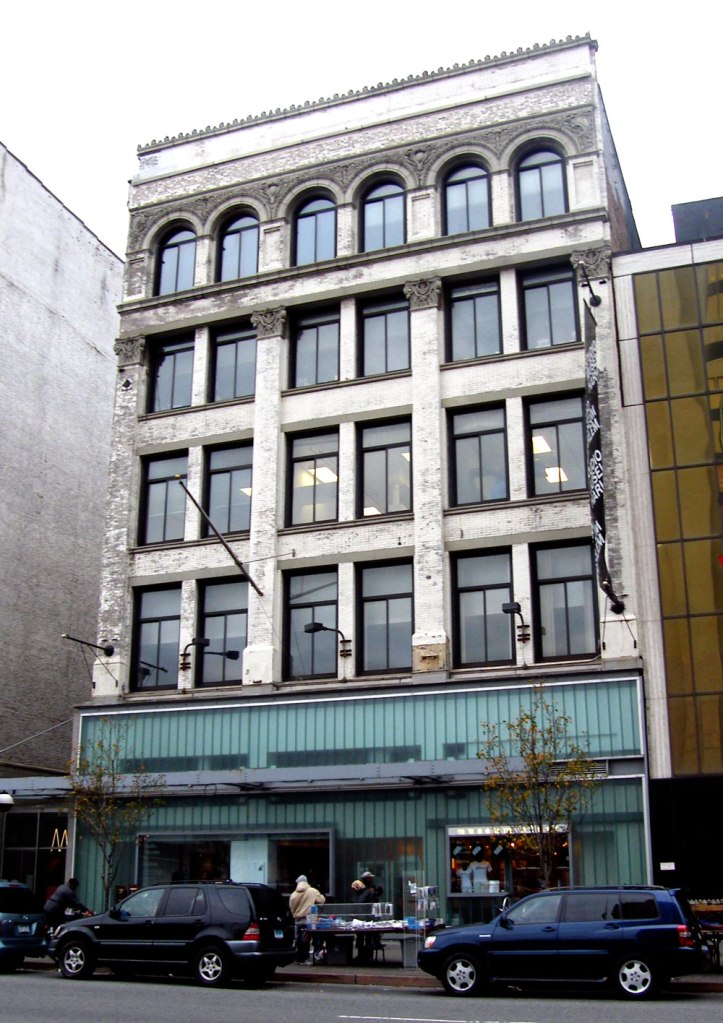
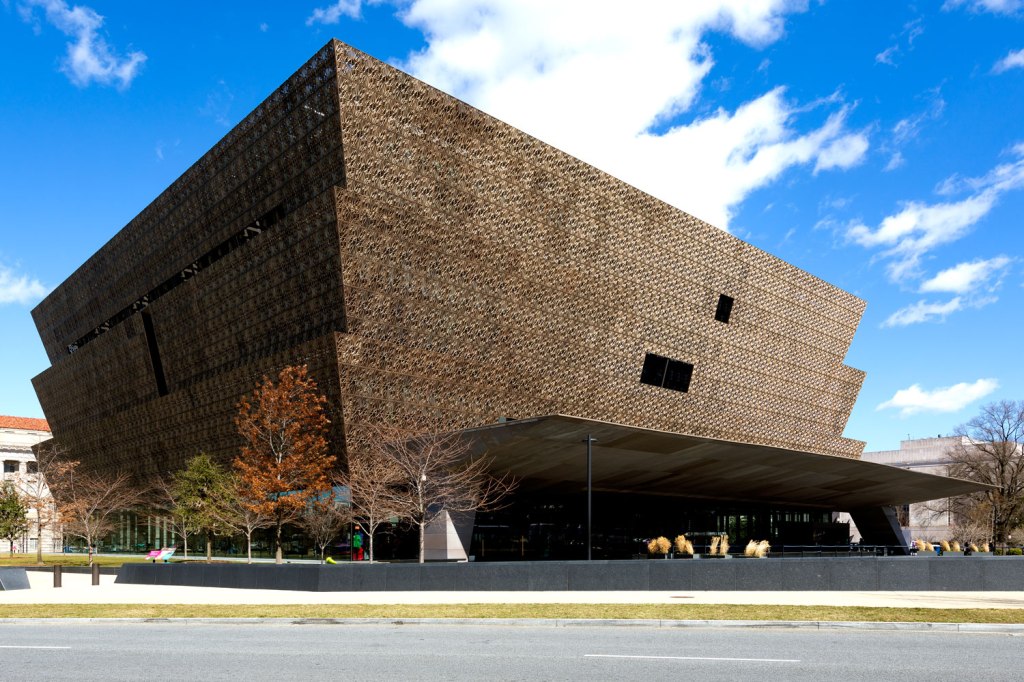
Institutions are also adapting. The Studio Museum in Harlem, the Smithsonian’s National Museum of African American History and Culture, and the newly launched Diaspora Arts Center in Atlanta are redefining what it means to archive and present Black artistic expression on its own terms.
Meanwhile, collaborations with fashion brands, tech platforms, and film have turned Black artists into cultural multi-hyphenates—expanding their footprint beyond the art world and into global consciousness.
Conclusion: A Lasting Movement
The rise of Black art isn’t a moment—it’s a movement, rooted in both beauty and justice. While the financial opportunities are real, the cultural shift is even more profound. This renaissance affirms what many have known for generations: Black art is not emerging, it has always been here—brilliant, bold, and vital.
For collectors, curators, and creatives alike, now is not just the time to buy—but to listen, uplift, and invest with care. Because in every brushstroke and fragment, there’s a story worth preserving—and a future worth building.
Collect this beautiful work
Title: The Rise
Size: 16” x 14”
Medium: Abstract Digital Painting
Material: 100% Acid Free Giclée Print on Velvet Fine Art Paper
Styles: Afro-Futurism, Symbolic Realism, Contemporary Abstraction,
Created Date: 7/30/2025
Price: $125.00
Edition Number: 100
Commission by: Jake Fine Art Magazine
Each print is signed and numbered
About the Artist: AiFred, Artistic Intellectual

AiFred (Artistic Intellectual) is a multidisciplinary creator living in a constant state of expression—through painting, printmaking, design, writing, and visual storytelling. His signature approach, bold fragmentation, breaks through the conventional to reveal deeper, unconventional beauty. Drawing from journey lines, piano keys, and symbolic forms like butterflies and birds, AiFred’s work embodies rhythm, resilience, and transformation. Rooted in Black dignity, radical self-expression, and faith, he uses art to shift atmospheres and empower every space it enters. For AiFred, creativity isn’t just communication—it’s a force that uplifts, disrupts, and reveals truth.
Enjoy his work at nashartexhibit.com


 Jake Black Fine Art Magazine
Leave a reply to Jake Cancel reply