
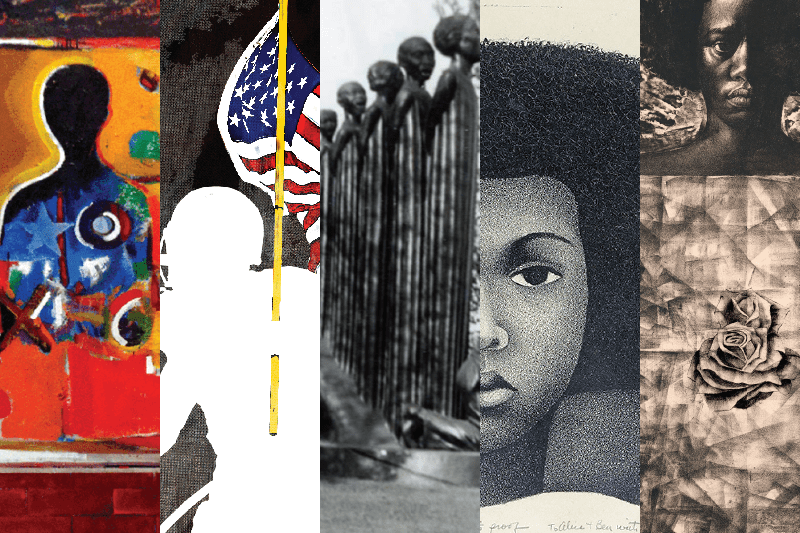
In a moment where Diversity, Equity, and Inclusion (DEI) is under attack, Black art stands as a powerful voice in the protest against exclusion. Black artists have long used their work to challenge discrimination and ensure that the world recognizes the importance of Black people in shaping humanity. From Augusta Savage’s “The Harp” to Charles White’s “Love Letter,” Elizabeth Catlett’s “Which Way,” and David Driskell’s “Ghetto Wall #2,” Black artists have continuously crafted work that reflects and preserves the culture.
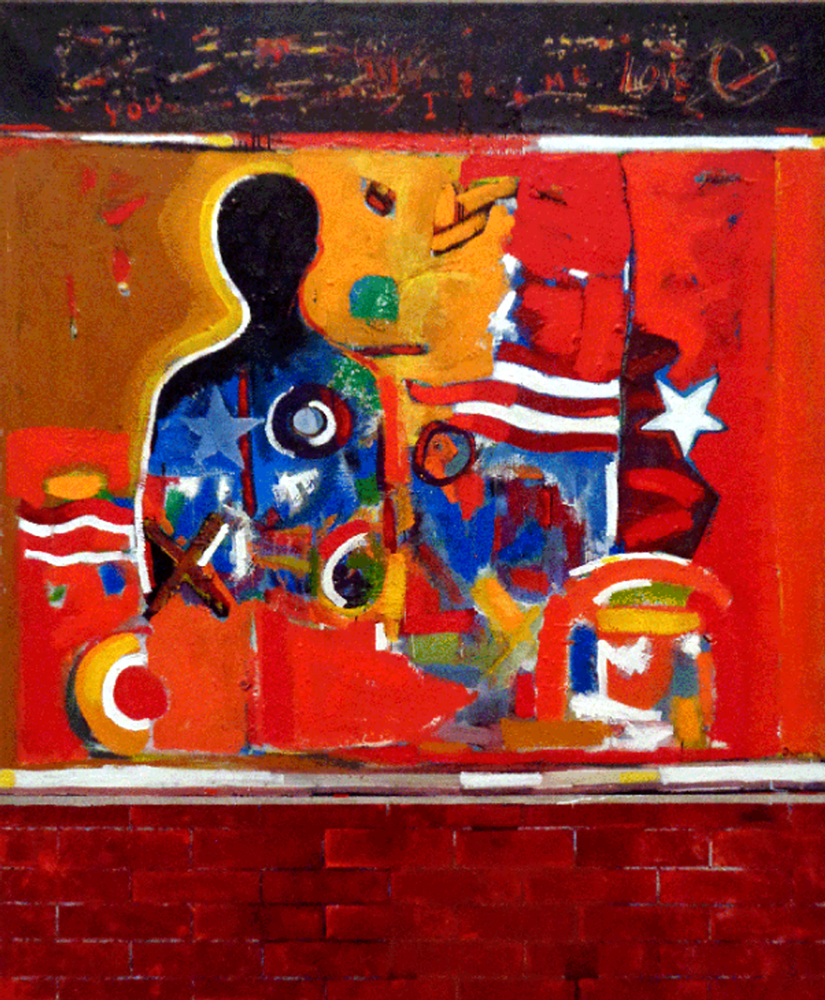
One such powerful work is “The Absence of Black,” a striking visual statement on the erasure of Black culture in American society. The painting captures the void left when Black contributions, history, and presence are overlooked or deliberately excluded. It challenges the viewer to recognize the profound impact of Black culture on America while highlighting the ongoing struggle for visibility and inclusion. Through its bold composition, it underscores how deeply intertwined Black identity is with the nation’s identity—despite efforts to marginalize it.
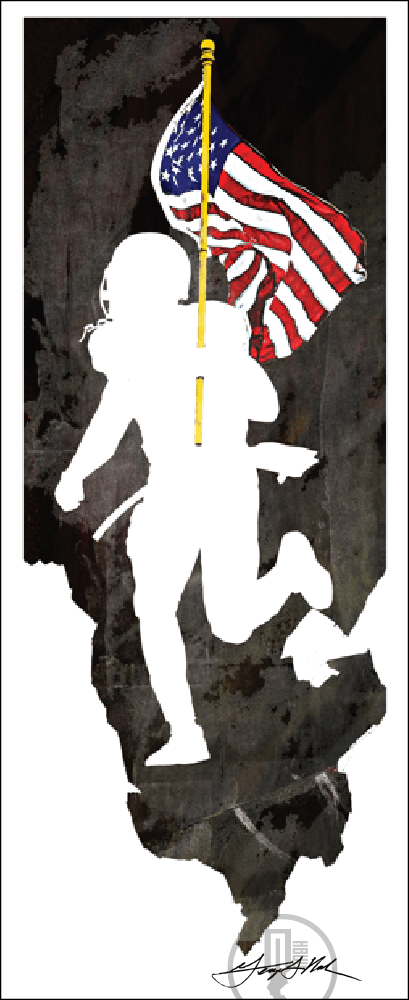
Throughout history, Black artists have used their work to counteract forces of oppression. They have documented struggles, celebrated triumphs, and given voice to the silenced. Their art serves as a visual protest, reminding society that Black stories, identities, and contributions are vital to the global cultural landscape.
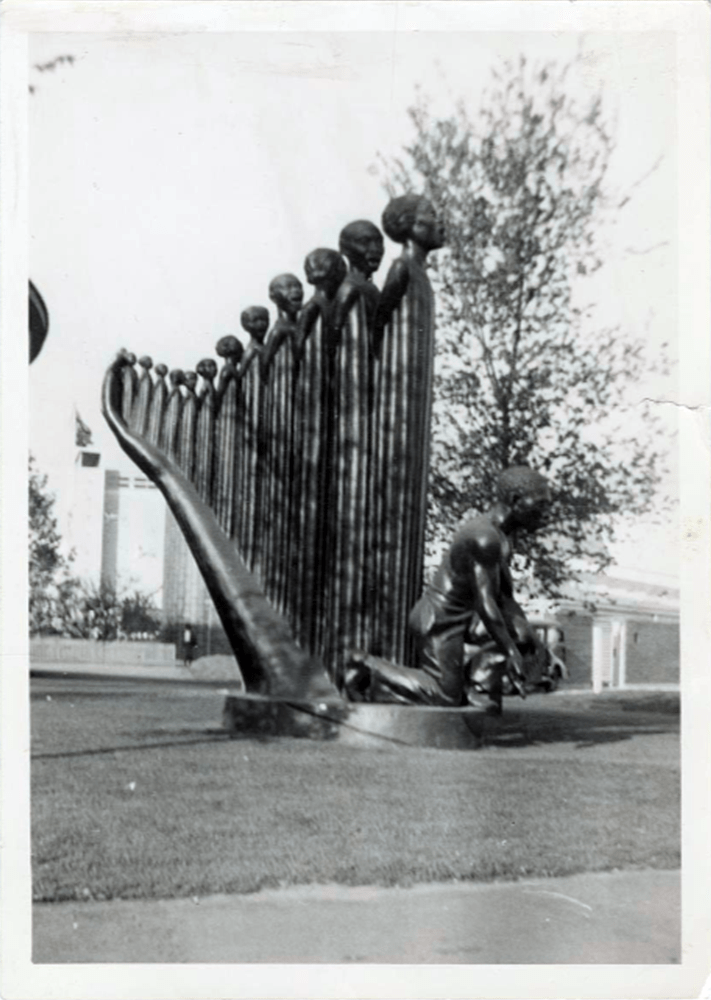
Augusta Savage’s “The Harp” is an iconic example of this resistance. Created for the 1939 New York World’s Fair, the sculpture symbolized the strength and harmony of the Black community, despite systemic barriers. Similarly, Charles White’s “Love Letter” humanized Black existence, offering intimate and dignified portrayals of Black life.
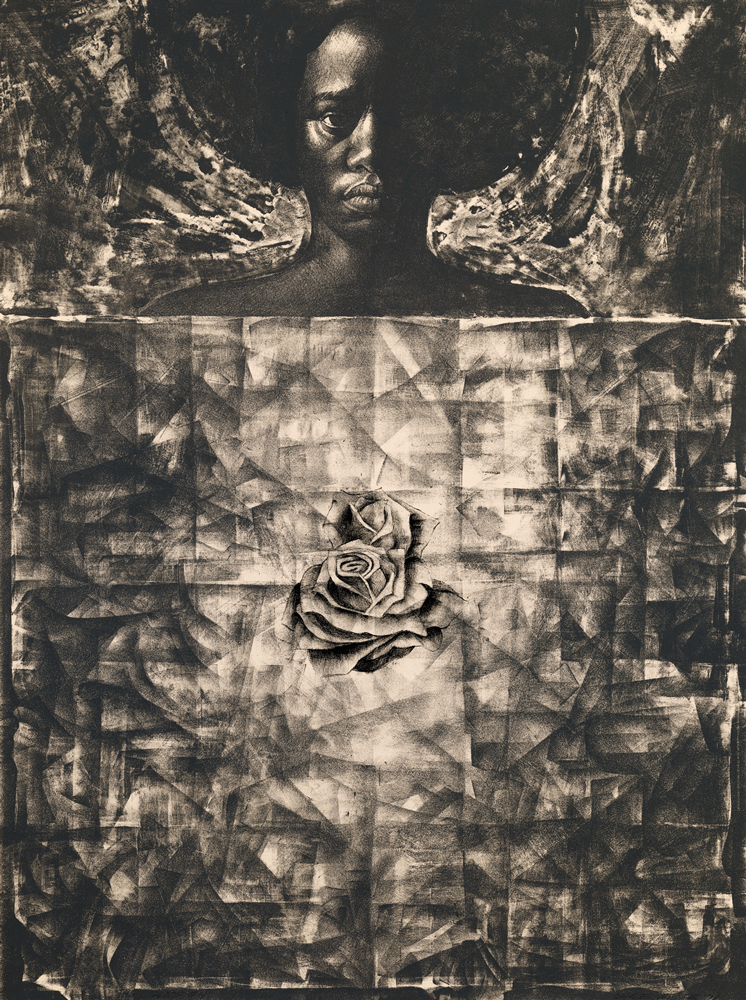
Elizabeth Catlett’s “Which Way” reflected the complexities and struggles of the Civil Rights Movement, while David Driskell’s “Ghetto Wall #2” captured the textures of urban Black life with expressive power. Each of these pieces serves as a historical record and a beacon for the continued fight for justice.

As DEI efforts face pushback, Black art remains a crucial tool in advancing conversations around equity and inclusion. By representing Black experiences authentically, artists reinforce the necessity of diverse perspectives in cultural narratives.
Educating and Engaging – Black art brings historical and contemporary issues to light, ensuring that past injustices are acknowledged and future progress is pursued.
Empowering Communities – Seeing their culture and struggles reflected in art empowers Black communities, reinforcing their rightful place in history and society.
Inspiring Action – Art has the power to move people emotionally, sparking dialogues that lead to meaningful change.
When DEI is erased, Black art stands as an unyielding testament to our presence, our history, and our undeniable impact on the world.
Black art has always been a force for resistance, resilience, and representation. At a time when DEI initiatives are being undermined, the voices of Black artists remain vital in ensuring that Black contributions to history, culture, and humanity are never erased. By continuing to create and amplify work that challenges exclusion, Black artists shape a future where diversity is celebrated, equity is upheld, and inclusion is non-negotiable.
 Jake Black Fine Art Magazine
Leave a comment