
The Strength, Resilience, and Triumph of Black Women Surviving Breast Cancer
In the face of breast cancer, Black women have shown a remarkable strength and resilience that mirrors the spirit of the leopard—a powerful symbol in African culture. The leopard, a totem animal representing strength, patience, and resilience, has long embodied nobility, intelligence, and a deep connection to the spirit world. Like the leopard, Black women fighting breast cancer channel an indomitable courage that not only fuels their survival but also stands as a testament to their profound inner power.
For Black women, surviving breast cancer is not just a personal battle; it is a fight against systemic challenges that impact their communities. Disparities in healthcare, late diagnoses, limited access to treatment, and the lack of culturally competent care present unique obstacles. These issues, coupled with the emotional and physical toll of cancer, can make the journey feel even more daunting. Yet, despite these barriers, Black women continue to face breast cancer with extraordinary grace and resilience.
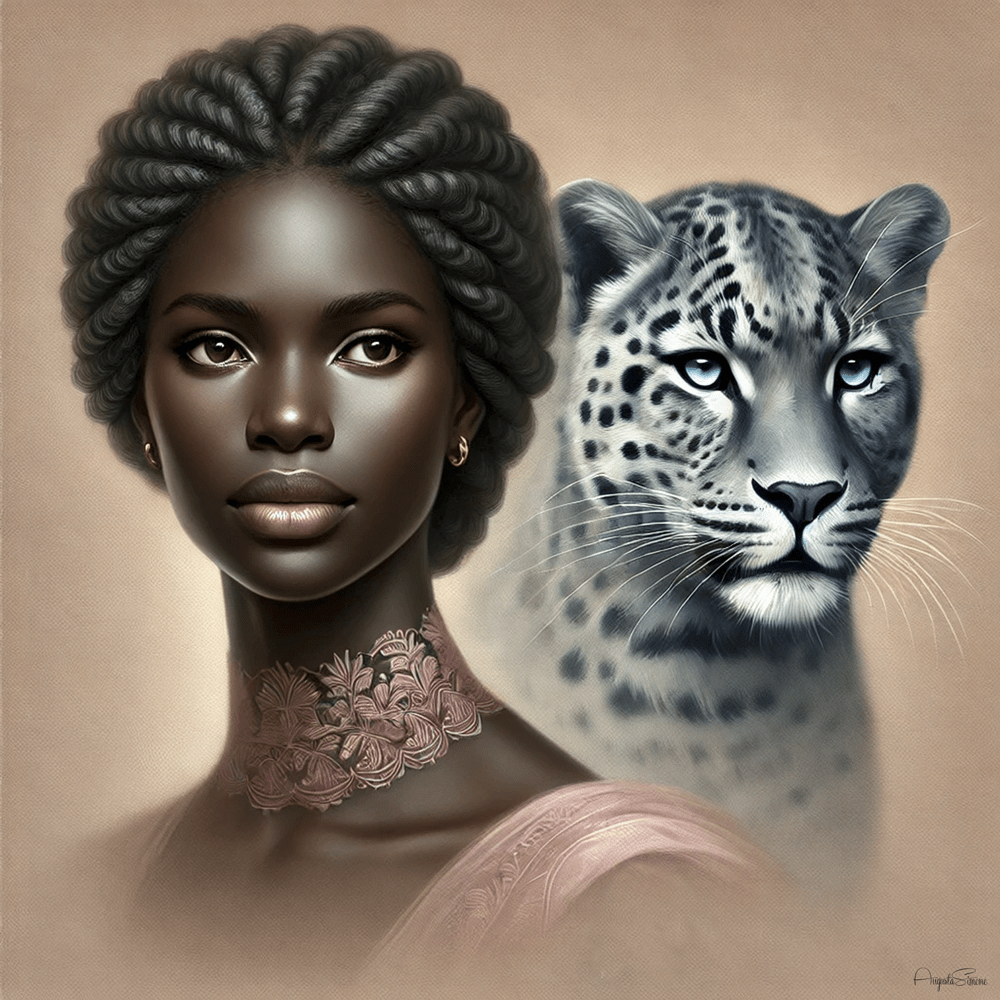
Much like the leopard, whose spots are a mark of its adaptability and strength, Black women bear their scars with honor. Each scar tells a story of survival, a mark of triumph in the battle against cancer. The leopard’s patient stalking of its prey mirrors the patience and endurance required in the fight against breast cancer. The road to recovery is often long and grueling, but Black women, like the leopard, face this journey with a quiet strength, determined to persevere.
For centuries, the leopard has symbolized a noble spirit in African culture, one that is deeply connected to nature and the spiritual world. In a similar way, Black women draw on their deep cultural roots, the strength of their ancestors, and the love of their communities to overcome breast cancer. Their journey is not one of isolation; it is one woven with the threads of solidarity, family, and the powerful legacy of those who came before them.
The stories of Black women surviving breast cancer are stories of transformation. Their resilience shines through in every phase of the journey—diagnosis, treatment, and recovery. Despite the historical challenges that have plagued healthcare for Black communities, these women have found the courage to advocate for themselves, seek the best care possible, and fight for their lives. They embody the leopard’s wisdom, knowing when to act with fierce strength and when to practice patience and perseverance.
Like the noble leopard, Black women battling breast cancer embody resilience, strength, and patience—transforming pain into purpose and rising above every obstacle with indomitable courage.
These survivors also serve as an inspiration for future generations, showing that even in the face of adversity, hope is possible. They are living examples of the power of the human spirit, of what it means to transform pain into purpose, and challenges into triumphs. Their fight against breast cancer is not just a fight for survival, but a fight for dignity, equity, and the right to live full and healthy lives.
The courage of Black women in their battle with breast cancer is a reminder to the world of the strength that lies within those who are often underestimated. It is a reminder that, like the leopard, they are both fierce and resilient, navigating a world that may not always offer them the care they deserve, but continuing to rise above, stronger than ever.
In honoring these women, we are also called to address the systemic barriers in healthcare that make their journeys even more challenging. Their fight is not just personal; it is collective, echoing the need for better healthcare access, earlier diagnoses, and culturally competent care for all women. By elevating their stories, we shine a light on the power of resilience, the importance of equity in healthcare, and the profound strength of Black women who, like the noble leopard, rise above all odds.
Their spirit is a force, unstoppable and untamed, rooted in the legacy of those before them and driving the hope of those yet to come.
 Jake Black Fine Art Magazine
Leave a comment